

FAS Incoterm Explained: Who Pays What and Who Carries Risk
Anyone who exports goods by sea will use the FAS Incoterm. It looks simple on paper. Small details can cause fights at the port. This guide explains what FAS means, who pays what, and when it makes sense to use it.
What is the FAS Incoterm?
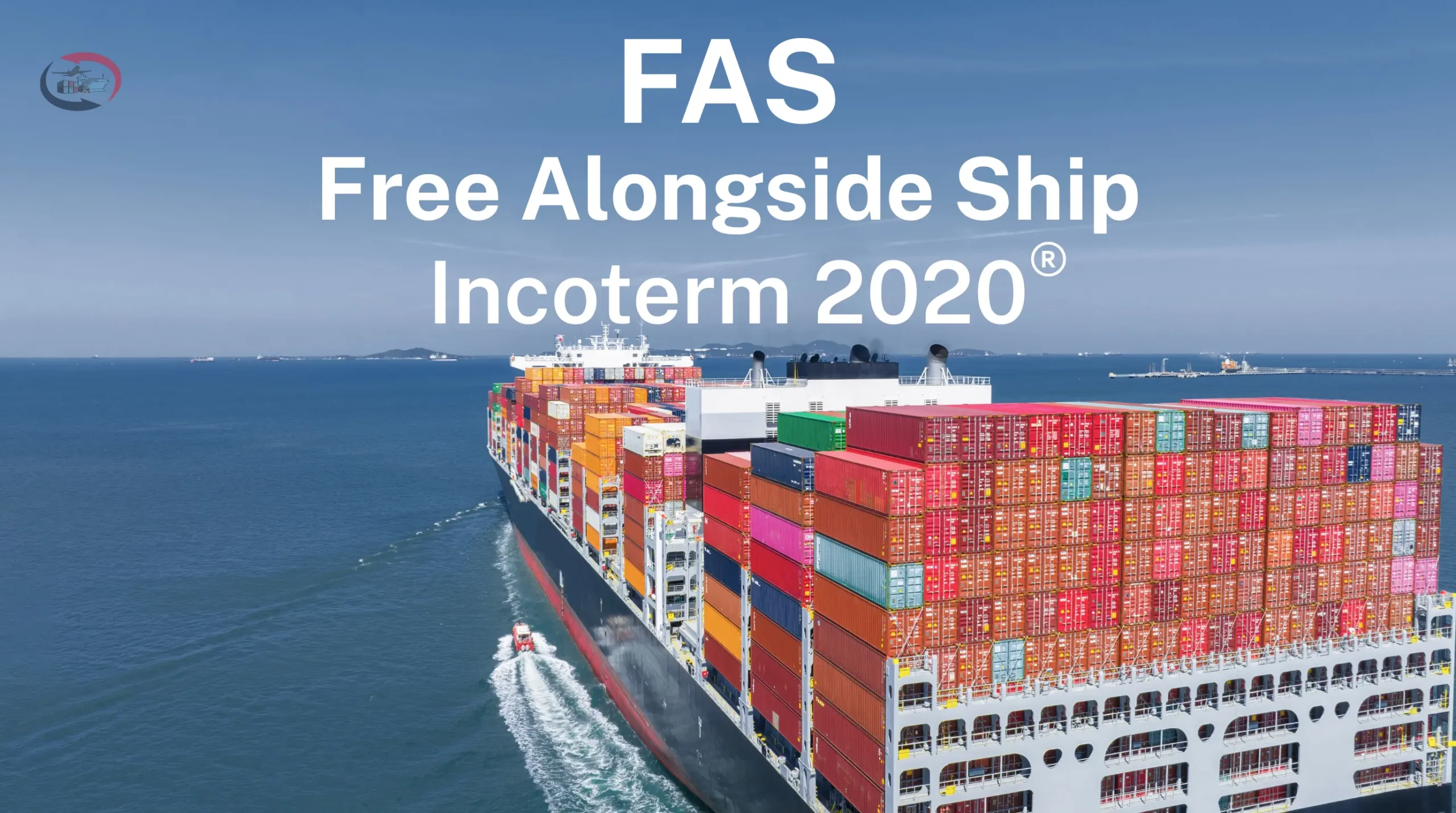
FAS means Free Alongside Ship. It is one of the eleven Incoterms rules issued by the International Chamber of Commerce (ICC). Contracts list it as FAS followed by the named port of shipment.
Under the FAS Incoterm, the seller’s obligation ends once the goods are put alongside the vessel. That usually means on the port side or on a barge to the ship at the port named in the contract. From that point, the buyer takes control. FAS is meant for sea and inland waterway transport. It is not suitable for air, road, or rail shipments.
Who Does What Under FAS?
The Seller’s Responsibilities:
The seller is expected to:
- Supply the goods and the commercial invoice according to the contract
- Pack the goods for transport
- Deliver the goods to the agreed point beside the ship
- Clear the goods for export, including licences and export paperwork
The Buyer Responsibilities:
The buyer is expected to:
- Book and pay for the sea freight
- Nominate the vessel. Inform the seller when and where to deliver
- Pay for loading the goods onto the ship
- Handle insurance if coverage is desired
- Clear the goods for import and pay duties and taxes at the destination
When Does Risk Transfer Under FAS?
Risk moves from the seller to the buyer when the goods are put beside the vessel. If a crane drops the cargo during loading, that is the buyer’s responsibility. If the goods are damaged while on the port side waiting for the ship, the answer depends on whether the goods had been delivered beside the vessel. Costs follow the rule. The seller pays for everything up to the port side. The buyer pays from that point onward.
FAS vs FOB: What Is the Difference?
FAS is often compared with FOB. There is a reason. The two rules are cousins. The main difference is one step.
- Under FAS, the seller is at the port side.
- Under FOB, the seller also loads the goods onto the vessel.
Because of that, risk moves at a point beside the ship for FAS and on board for FOB. Buyers who want control over loading or who have their own stevedores and port arrangements usually prefer FAS. Sellers who would rather handle the loading process usually choose FOB.
Common Mistakes to Avoid
- Being vague about the delivery point. FAS Incoterm is a start. A large port has terminals. Naming the berth or terminal where possible avoids arguments about who paid for what.
- Forgetting about insurance. Nothing in FAS forces either side to insure the goods. Since risk moves to the buyer at the port side, most buyers arrange their cargo insurance before shipment.
- Ignoring port practice. Some ports have their own habits about who pays terminal handling charges. It is worth confirming these details in the contract rather than assuming
- Mixing up Incoterms editions. Older versions of FAS placed export clearance on the buyer. The current edition, Incoterms 2020, assigns it to the seller. Contracts should state clearly which edition applies.
Practical Tips for Smoother FAS Shipments
- Write FAS Incoterms 2020 (named port) into the sales contract so the edition is never in doubt.
- Agree on delivery windows. How the seller will be told which vessel to deliver to.
- Keep proof of delivery beside the ship, such as a dock receipt, since it marks the moment risk moves.
- Ask a freight forwarder or a trade lawyer to review the contract if the cargo is highly valuable.
Conclusion
The FAS Incoterm draws a line between buyer and seller. The seller hands the cargo over to the side of the ship. The buyer picks it up from that point. For cargo carried by sea, the FAS Incoterm can be a practical and cost-saving option. The trick is to be specific: name the port, select the edition, and finalize insurance early. If you get those details right, the FAS Incoterm helps keep shipments running smoothly and without surprises
This article is for informational purposes and is not legal advice. Always check the ICC Incoterms 2020 rules. Confirm the details with a qualified trade professional before signing a contract.