

Introduction
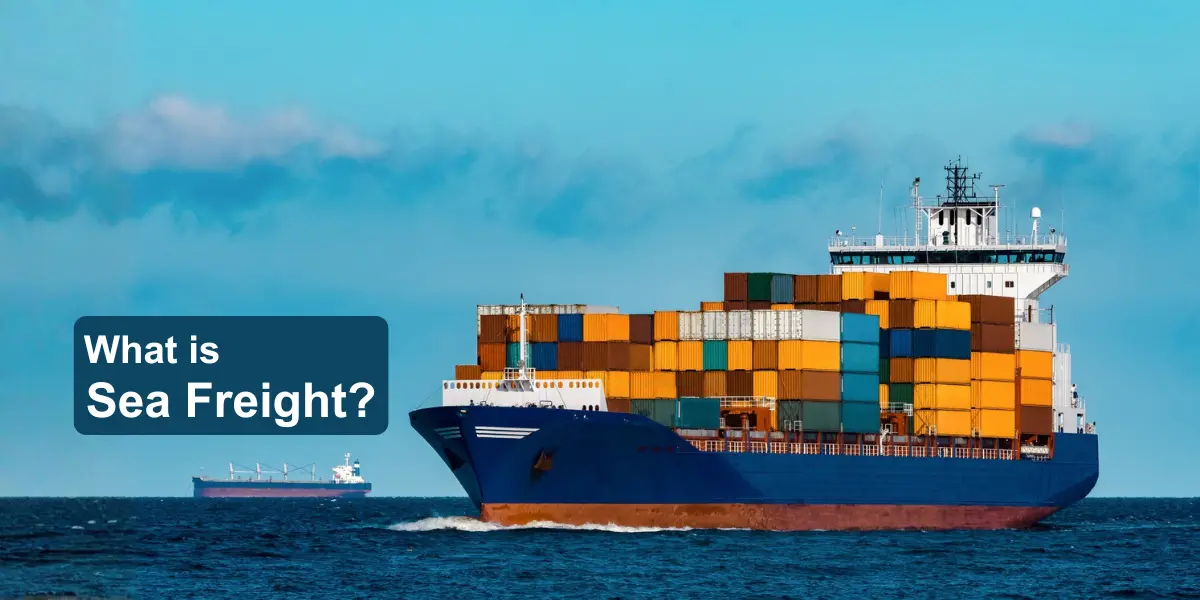
Sea freight differs from other modes of transportation in that it typically conveys large quantities of heavy items or gear.
Sea freight conveys items in massive metal containers. Marine cargo is subject to fewer restrictions. Shipping by water is also used to transport significant assets for the nation in question, such as oil and military equipment, such as aeroplanes.
Sea freight, comparable to different kinds of transportation, has a seller (manufacturer), a buyer, ocean transport firms, forwarding companies, brokers, port governments, and insurance organizations.
How does sea freight work?
Sea freight is a vital link in the supply chain. When transferring goods by sea freight, you need to initially approach the transport company. These are larger companies that are easier to find.
When approaching freight shipping companies, you must notify them about the item being transported, the expected weight of your cargo, the type of things you want them to deliver, and the place from which you want the package to be picked up. You may either send your things to the shipping company or pay a small fee to have them picked up from your source or your home.
The justification for only carrying huge loads is simple: the shipping container is sufficiently big to transport tonnes of merchandise, but cannot be used to transport small amounts of items due to the expense.
Who uses sea freight?
Humans use maritime commodities to transport items between their home countries and other regions throughout the world. Shipping by sea should only be utilized if you have a large number of things to move, as shipping can be labour-consuming and dangerous for small items.
What are the many kinds of cargo that are delivered by sea?
Most products can often be sent using ocean freight. However, you must consult and confirm with any goods transportation or transportation organization. If the item being shipped weighs more than 110 kg, go with sea freight.
Keep in mind that transporting some items via sea freight is subject to limitations. Potentially hazardous, edible, and potentially hazardous items must be carried in special containers intended for that purpose. Ensure that the transport employees understand what you’re delivering.
What are the Advantages and Disadvantages of Sea Freight?
Sea freight is by far probably the most advantageous mode of transportation for businesses looking to transfer large quantities of goods. Marine freight is four to six times less expensive than air freight since the tax requirements and taxes on maritime freight are reduced
A delivery vessel can convey nearly unimaginable quantities of merchandise in a single voyage, resulting in something more affordable for every individual participating.
Advantages
Best for big loads:
Sea freight enables the simple handling and transportation of large or bulky commodities such as automobiles, machinery, industrial equipment, materials for construction, and so on, but air freight does not. Ships can transport an extensive spectrum of significant materials, but warplanes cannot transport massive and voluminous products.
Safety:
Ships have the capability of carrying dangerous cargo. The shipping workforce is appropriately educated to manoeuvre such items, and rules exist to protect both the integrity of the transported floating cargo and the planet’s health. To add to the security, the shipment boxes are carefully sealed and locked, and passengers inspect the contents regularly while on the route.
Shipping is environmentally unfriendly:
Favourable due to its minimal impact on the environment and use of fewer petroleum products than other means of transportation.
Disadvantages:
One downside of maritime freight is that it takes time:
Sea freight is a tedious mode of movement since it is slower than other forms of freight.Sea freight is obviously rarely an ideal mode of conveyance for more delicate and precious materials, as time for delivery could differ from weeks to months.
Increased possibility of harm:
Because it takes so long from shipment to delivery, the hazards connected with marine freight are higher. Significant delays are possible, and poor weather might result in cargo damage or loss.
Lower connection:
Certain regions of the entire globe may lack shipping ports and terminals, which prevent large ships from delivering containers from reaching them. Insufficient facilities can have a major impact on commodity distribution.
What is the timeline for Sea Freight?
In ideal circumstances, marine goods generally require anywhere from 1 to 8 weeks, depending on the distance travelled and other considerations.
However, several factors influence how long it takes to send products via shipping. Going through customs in both ports, as well as the temperature during transit, all influence how long it takes to transport goods by sea.
The location has a significant influence on transit time since certain locations are more distant than others. Other concerns encompass container type, required paperwork, and weather conditions, as well as transportation. There may also be additional and unexpected delays everywhere in the operation.
If you wish to deliver your things during a certain holiday or advertisement period, remember to allow at least seven days for preparation on both sides of the entire process to ensure safety.
How much does Sea Freight cost?
The cost of sea freight is fully determined by the contract you enter into with the buyer or seller. You can reach several partnerships with your vendor. The cost of sea freight grows as your vendor accepts greater responsibility. If the items are to be brought to your front door. The price is projected to rise. If the items have been covered, you will also be liable for the insurance charges. The total cost is determined before the shipment of items; most reliable shipping companies may help you with this.
Fuel prices, shifting currency exchange rates, demand throughout the year, and the affordability of sea transportation, which functions as a petroleum product, all have an impact on cost. When demand outweighs inventory, the worth of something increases.
Sea Freight vs. Air Freight: What Works Best for You?
- As ways of moving around, the sea and the air are both exclusive and nontransferable; each has benefits and negative aspects, and the types of things and quantities delivered by them differ.
- If you are shipping products or other critical materials such as papers, cutting-edge technology, and everything else that is light in quantity and must be carried swiftly, it is advisable to ship them via air. Shipping through the air is costly.
- Shipping by water is a better option for moving large quantities of less fragile items of value. The costs paid here must be considerably reduced.
- The chosen method of mode of transport, dimensions, mass, and projected timing for arrival all play a role in your decision to go by water or by air.
What separates LCL from FCL in the broader context of Sea Freight?
Sea freight transactions are categorized as LCL or FCL. The forwarding company notifies you whether your shipment requires LCL or FCL shipping.
LCL (Less Than Container Load) shipments are ideal for commodities that are too small to fill a whole vessel. As a consequence, the things are packed and transported in an automobile that simultaneously transports the other individual’s belongings.
FCL (Full Container Load) refers to goods that are large enough to be transported in one container. The items occupy the entire container. FCL supplies you with a customized container for transporting your bulky items.
Conclusion
Sea freight is among any country’s best-performing routes of product transportation, and it is important to worldwide trade and the development of the economy. Maritime freight will become more readily available as technology advances and transportation networks improve.