

Introduction
Not all weight is classified. Regulations governing proper disposal methods are established to ensure that a single disposal system is suitable for all types of waste. The disposal of dangerous paraphernalia takes a different approach than that of non-dangerous paraphernalia. Therefore, before disposing of any item, recognise the difference between dangerous and non-dangerous goods and follow the guidelines set in place.
What Are Dangerous Goods?
Dangerous goods may pose a peril to mortal health, safety, or the environment if the goods aren’t stored and transported according to strict regulations. Dangerous substances have specific characteristics that can impact others. This position of trouble is the reason that there are strict nonsupervisory demands that must be followed when storing or transporting dangerous materials. A grave material causes various hazards to people, brutes, and the terrain. These substances can lead to the development of conditions or affections, environmental degradation, death, and destruction of property. The ethical guidelines for keeping and carrying hazardous products differ from those for putting away or moving cemetery accessories. It’s critical to grasp the distinctions.
How Do You Identify Dangerous Goods?
Dangerous goods are details specifically regulated for transportation and classified according to their hazard stratum. They have an immediate impact. On the other hand, dangerous paraphernalia apply to any substance or material that may cause injury to people, property, or the environment. Dangerous paraphernalia have a long-term effect, while dangerous goods pose an immediate threat.
What Are the Regulations for Dangerous Goods?
The United States Department of Transportation( DOT) requires specific attestation for transporting dangerous goods. Some of the regulations include adequately labelling dangerous tackle or dangerous goods to be noted on the bill of loading when a carrier is asked to handle the loading. Proper packaging of dangerous goods, loading in duly designed holders, labelling, and marking are just a multitude of the regulations governing the repository or transportation of dangerous goods. Workers who work with dangerous goods must also complete special training for running, depot, or transportation of dangerous goods. Companies are required to maintain safety regulations for any worker charged with handling hazardous goods.
What are Non-Dangerous Goods?
Non-Hazardous freight is generally goods that are considered safe and don’t pose a hazard to health, the atmosphere, or anyone’s safety. Some prototypes of non-hazardous draft include.
- Paper
- Plastics
- Glass
- making
- Sugars
- Lactic acids
- banalities
- Carbonates
How is Non-Dangerous Goods Regulated?
Non-Dangerous Goods weight is generally not sharp, toxic, flammable, or reactive and doesn’t bear a warning marker. It also comes with lower restrictive transport regulations.
How Do You Dispose of Cargo correctly?
Proper draft disposal requires some care. Regardless of whether the weight is risky or non-dangerous, the disposal needs to be financially and economically effective while guarding the liability exposures for the manufacturer/ shipper, carrier, and insurer. Federal and/ or manufacturer disposal conditions are essential to adhere to, especially when disposing of dangerous waste. The Environmental Protection Agency( EPA) regulates dangerous waste disposal from the point of generation to the final disposal. The disposal guidelines were constructed to minimise the implicit risks to mortal health and the environment. Disposal authorisation or authorisation, as well as special disposal conditions or instructions, should be obtained from the weight owner former to disposal, and the disposal should be well documented. Whether dangerous or non-dangerous weight is being transported, it’s important to understand the regulations governing each and to take proper caution when transporting. Veritas directors have a devoted and educated team of weight experts ready to help. To learn further about our capability to mate with you on your weight claims, see our “ Learn More ” button, or feel free to request a phone call.
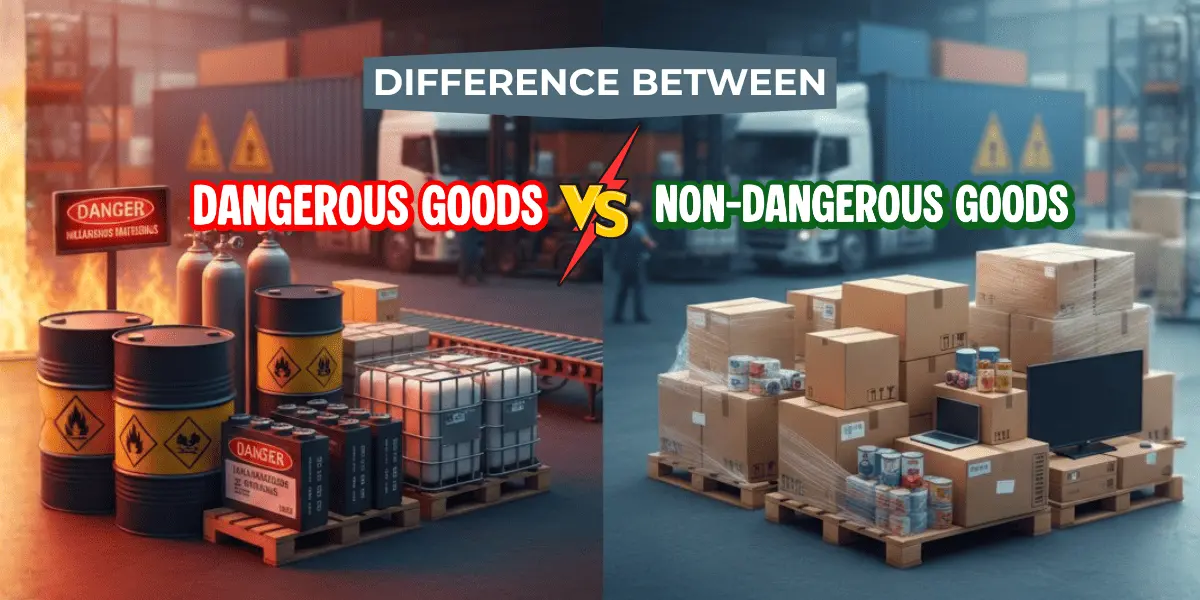
Difference between DG vs Non-DG Goods:
Risky products (DG Goods)
These are products or items that, when travelled or utilised, may endanger one’s health, safety, property, or the environment.
The primary components are:
- Dangerous materials (potentially harmful, explosive, unsafe, and so forth).
- Good packaging, labelling, and surveillance are required.
- Should adhere to tight restrictions (IATA, IMDG, airline ADR, etc.).
- Operations and delivery necessitate the skills of qualified individuals.
Examples:
- Chemicals (including acids and solvents).
- Rechargeable made with aluminium
- Explosive substances
- Inflammable fuels (petrol, gasoline).
- Gases are compressed (oxygen chambers).
Non-DG (Non-Dangerous Goods).
These are items that generally do not pose a significant risk during shipping or operation.
Key features include:
- In most cases, there is no danger or harm.
- Except for conventional shipping documents, no other labelling or documentation is required.
For instance:
- Shoes
- Bedroom furniture
- publications
- Nutrition things (not dangerous)
- Appliances lacking electricity.
Conclusion:
In layman’s terms, the primary distinction amongst DG hazardous Merchandise) Non-DG commodities are the level of risk they offer during transportation. To ensure the safety of individuals, possessions, and the planet, DG consumables must be stored with the greatest care, securely packed, clearly labelled, and maintained in conformity with applicable standards. Non-DG goods, on the other hand, are secure for transport and handled in regular conditions and do not require any special care.
As a consequence, the primary issue for DG Products is safety, which leads to higher pricing along with additional problematic infrastructure. Non-DG objects, on the other hand, are more straightforward, more affordable, as well as simpler to supervise in movement.