

Introduction
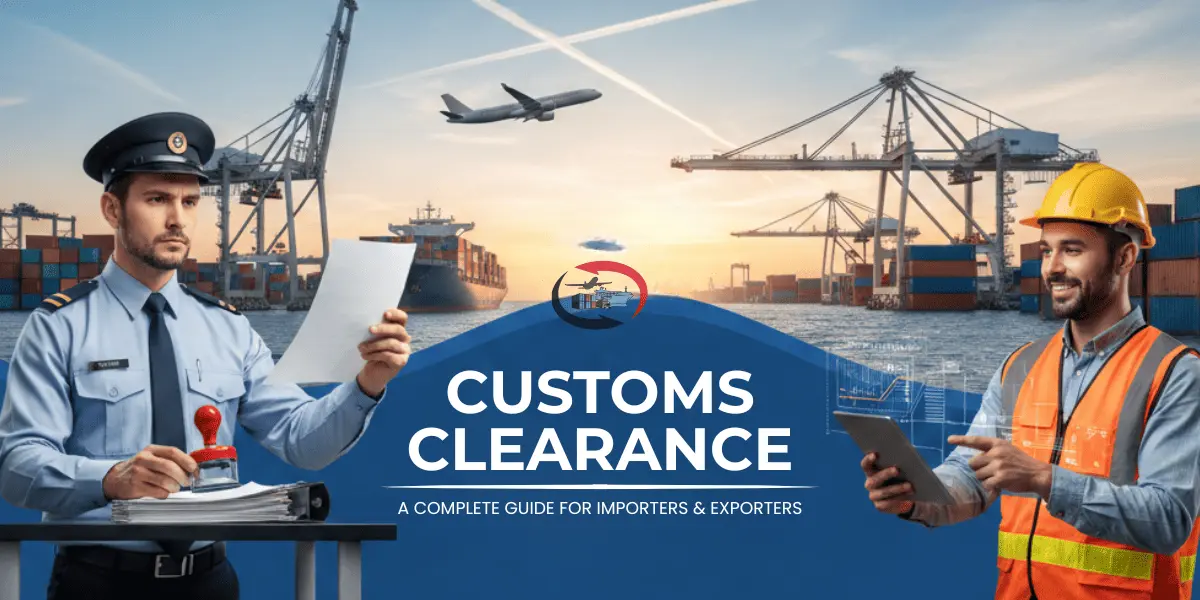
Customs clearance is the process of transferring items through customs so that cargo can enter and exit a country. Customs clearance also refers to a document issued by a customs agency to a shipper that states that all tariffs have been paid and the carrier’s goods are ready for release.
How does customs clearance work?
Before cargo leaves the port of origin, the customs clearance method ensures that commodities and goods pass through a customs authority, which then conducts the export clearance. Similarly, items must go through an import clearance process before they can reach the port of the destination country. The clearance document effectively demonstrates that all charges on the products/commodities have been paid and that the goods are now available for delivery.
How much does customs clearing cost?
Several elements determine customs clearance costs, including
- The type of product, its stated worth, and a description of the goods.
- HS numbers are used to classify different types of products.
- By providing low-cost import and export processing services, the WLP may assist organizations in moving goods more effectively and making more money.
Which documents need to be submitted for customs clearance?
Customs clearance documentation typically includes the following:
- Commercial Invoice
- The packing list involves shipment details, including weight, number of packages, and manufacturer.
- The bill of lading shows that the shipment was properly loaded onto a means of delivery.
What are the steps for customs clearance?
- Confirm the importer’s and exporter’s tax information.
- Determine the origin and destination of imported and exported goods, as well as the mode of transit.
- Determine shipping details, including quantity, volume, product description, origin, and manufacturing company.
- Establish explicit inspection standards for shipments and get certifications indicating that the products in the shipment passed control inspections.
- Make timely tax payments.
Who oversees customs clearance?
A customs clearance agent acts as a liaison between a customer and a customs authority, as well as supervising the customs clearance process and rules. Additionally, customs officers will
- Manages the collaboration of both parties.
- The customs office interacts with customers and collects taxes from both importers and exporters.
- Meets cargo criteria, standards, norms, and laws for both importers and exporters.
How can you decrease customs clearance delays?
Training to better understand needs.
- Rigorous documentation checks
- Using Digital Technology Solutions.
- Working with an experienced customs clearance agent.
1 comment on “Customs Clearance: A Complete Guide for Importers & Exporters”