

Shipping goods across borders involves numerous ways, and one important link in that chain is the Container Freight Station or CFS. It’s a place where weight is entered, checked, packed, or unpacked before reaching the harborage or after arriving from one.
In this blog, you’ll learn about CFS in shipping, how it works, and why it matters in the global trade moment.
What’s CFS in shipping?
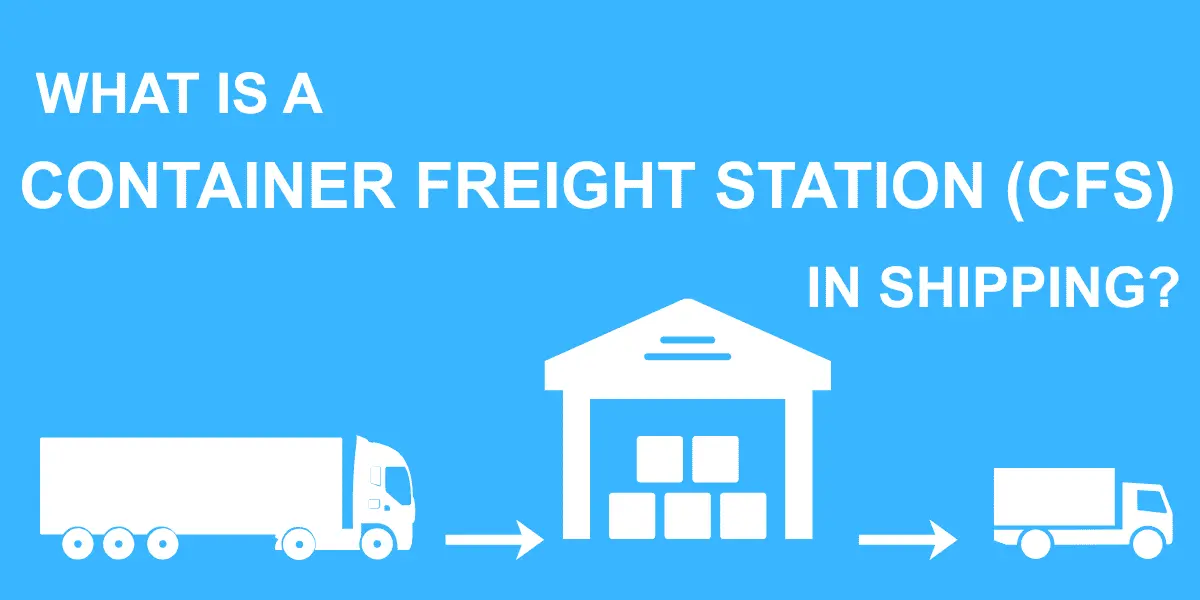
A Container Freight Station is a locality where commodities are collected, sorted, and prepared for shipping. It’s like a central point between the shipper and the harbor. In simple terms, CFS in logistics helps manage both LCL and FCL weight, particularly the LCL.
Additionally, shipments from various exporters are often consolidated and packed into a single vessel before being transferred to the harbor. At the destination, the same process happens in the hamper, that is, the goods are unpacked and transferred to their final locations. This setup makes CFS an important part of smooth weight movement in global trade.
How does a Container Freight Station work?
A Container Freight Station( CFS) plays a vital part in logistics by being a link between the shipper, the harbor, and the consignee. The whole CFS shipping process happens in a simple way. also’s how it works
- Cargo appearance: Goods reach the vessel freight station from different suppliers or exporters.
- Checking and Documentation: Each weight is also verified with papers like checks and weight lists to ensure details match.
- Connection: For import, lower shipments going to the same destination are combined into one vessel.
- Stuffing: The grouped weight is precisely packed into the vessel to save space and cover goods.
- De-stuffing: At the destination CFS, holders are opened, and the weight is separated for each consignee.
- Customs Inspection: Customs officers may check goods at the CFS before concurrence.
- Delivery After examination and concurrence, shipments are transferred for final delivery.
Significance of CFS in dispatching
That’s why a Container Freight Station( CFS) holds great significance in logistics and shipping
- Effective Cargo Handling CFS makes lading and discharging faster and safer. It reduces detainments and avoids weight blends-ups.
- Simplified Customs Process: Customs checking becomes easier since officers can check goods directly at the CFS.
- Support for LCL Shipments CFS logistics is ideal for businesses that don’t transport full containers, helping them to ship lower loads more efficiently.
- Reduced Port Traffic Cargo handling at CFS reduces the crowd at harbors and keeps operations organized.
Types of Container Freight Stations
There are two substantially types of Container Freight Stations used in logistics. Each bone plays a different part in the shipping process.
- Origin CFS: This station is in the country where goods start their trip. Also, small shipments from different exporters are brought together and packed into one vessel before import. It’s the place where weight gets ready for transnational movement.
- Destination CFS: This post is in the fatherland where the goods arrive. The holders are also opened, and each weight is separated for its buyer. It helps importers admit their goods promptly and keeps CFS dispatching organized at the destination.
What are CFS counts, and how are they reckoned?
CFS charges are the freight you pay for benevolences at a Container Freight Station. These services include loading, unloading, storehouse, and running of weight inside the storehouse. In simple terms, it’s the cost of taking care of your weight while it’s at the CFS.
also’s how the charges are generally calculated:
- Weight or Volume The most common way is by measuring how heavy or large your weight is.
- Type of Cargo: Fragile, big, or special weight may bring further charges because it needs special care.
- Storage Time The longer your goods stay at the CFS, the advanced the charge.
- Value-Added Services: If you need repacking, labeling, or palletizing, those add to the bill.
Benefits of CFS for import and e-commerce businesses
A Container Freight Station( CFS) brings numerous benefits for exporters and e-commerce merchandisers who deal with global shipping. Also are some vital benefits
- CFS allows small exporters and online merchandisers to partake of vessel space. This reduces the cost per weight, which is a big advantage for small businesses.
- All quilting, loading, and customs clearance should be in one place, which saves time and reduces confusion.
- Goods are kept in secure areas with proper checks. It lowers the risk of theft or damage to the vehicle.
- Merchandisers who transport lower parcels constantly use CFS logistics to ship products overseas at lower costs.
- The process of CFS shipping keeps exporters, freight forwarders, and customs officers connected in one system.
Conclusion
A Container Freight Station plays a big part in keeping trade organized and goods safe during transportation. It supports exporters, importers, and e-commerce merchandisers by handling
every step with care, from entering to delivery. The process of CFS shipping saves time, space, and cost for businesses of all sizes. In simple words, CFS acts as the ground that connects storage to the world. Without it, transnational trade would be slower and far more complicated.